
Finding the right recovery resources is rarely as simple as choosing the nearest program or following the loudest recommendation. People come to recovery with different histories, different pressures, and different levels of urgency. Some need structure and clinical care. Others need steady community, honest accountability, or a safe place to begin speaking plainly about what has been hidden for too long. What matters most is not choosing the most impressive option on paper, but choosing the support that fits the real life in front of you.
That is one reason stories like Almost Gone resonate so strongly. They bring readers close to the emotional weight of struggle without pretending that healing happens in a straight line. For readers who arrived here through the Robert B. Routt book launch, the deeper value lies in using that reflection as a starting point: not just to feel moved, but to choose recovery resources with clarity, care, and realism.
Start With the Kind of Help You Need Right Now
Before comparing programs, groups, or professionals, it helps to identify what kind of support is actually needed at this stage. Recovery resources work best when they address the present reality rather than an idealized version of the problem. Someone early in crisis may need immediate medical or clinical intervention. Someone further along may need relapse-prevention support, counseling, or a dependable peer network. Someone supporting a loved one may need education and boundaries as much as direct treatment advice.
A useful first step is to ask practical questions instead of abstract ones. Rather than asking, “What is the best recovery resource?” ask, “What is the safest and most appropriate next step for this person, at this moment?” That shift changes everything.
- How urgent is the situation? If there is risk related to withdrawal, self-harm, or immediate instability, professional intervention should come first.
- Is the issue primarily medical, emotional, behavioral, or social? Often it is a mix, but one area may need immediate attention.
- What kind of structure is realistic? A resource only helps if a person can engage with it consistently.
- What barriers exist? Transportation, cost, work schedules, family duties, shame, and privacy concerns all matter.
- Is individual care needed, group support, or both? Many people benefit from a layered approach rather than a single source of help.
Choosing well begins with honesty. Recovery often becomes harder when people select resources based on image, convenience, or wishful thinking instead of actual need.
How to Recognize Quality, Fit, and Safety
Not every resource that sounds encouraging is truly helpful. Some options offer warmth but little structure. Others offer rigid structure with no sense of humanity. The right recovery support should combine credibility with fit. It should feel grounded, respectful, and appropriate to the level of difficulty involved.
When evaluating any recovery resource, look for signs that it takes the person seriously rather than treating them as a type, a problem to manage, or a story to simplify. Good support usually makes room for complexity. It does not promise instant transformation, and it does not rely on pressure or performance.
- Clear purpose: You should understand what the resource is designed to do and what it is not designed to do.
- Qualified guidance when needed: Clinical issues should be handled by properly trained professionals.
- Respect for dignity: Recovery support should be honest without being shaming.
- Consistency: Reliable schedules, expectations, and follow-through matter.
- Room for personal context: Good resources account for trauma history, family dynamics, mental health, and daily life pressures.
There are also warning signs worth taking seriously. Be cautious of any option that makes sweeping promises, discourages outside support, dismisses legitimate mental health concerns, or pressures people into a one-size-fits-all model. Recovery is demanding enough without adding environments that make people feel smaller, less informed, or less safe.
Compare the Main Types of Recovery Resources
Many people benefit from understanding the basic role different resources can play. No single category is automatically best. The strongest choice depends on severity, stability, history, and what kind of support has or has not worked before.
| Resource Type | Best For | What to Look For | Watch Out For |
|---|---|---|---|
| Individual counseling or therapy | People who need private, focused support and help understanding patterns | Relevant experience, clear treatment approach, strong rapport | Poor fit, vague goals, lack of consistency |
| Peer support groups | Ongoing accountability, community, and shared experience | Welcoming culture, regular meetings, practical support | Pressure to conform without room for personal nuance |
| Medical or psychiatric care | Withdrawal concerns, co-occurring conditions, medication support | Licensed providers, coordinated care, realistic planning | Overlooking emotional and social dimensions of recovery |
| Intensive outpatient or residential treatment | Higher-risk situations needing structured, consistent intervention | Thoughtful assessment, aftercare planning, professional oversight | Programs that focus on admission without discussing long-term support |
| Family, faith, or community-based support | People who need belonging, routine, and relational stability | Healthy boundaries, compassion, dependable presence | Advice that replaces needed clinical or medical care |
The key is not to rank these options as winners and losers. It is to see how they serve different functions. Recovery can require treatment, reflection, routine, and community at the same time.
Build a Recovery Plan You Can Actually Use
One of the most common mistakes is choosing a resource in isolation. A meeting may help, but it may not address depression. Therapy may help, but it may not create daily accountability. Intensive care may stabilize a crisis, but it may not provide the relationships needed after discharge. Sustainable recovery often depends on building a framework rather than relying on one solution to carry everything.
A practical recovery plan usually includes a few core layers:
- Immediate support: Who or what helps when things feel unstable?
- Professional guidance: Is there qualified clinical or medical support where needed?
- Ongoing routine: What creates structure week to week?
- Trusted relationships: Who can tell the truth with compassion?
- Reflection and meaning: What helps a person remember why recovery matters?
It is also wise to test whether the plan is realistic. Can the person attend consistently? Does it work with employment or caregiving demands? Is there a backup option if one support point disappears? Recovery resources are only useful when they can be integrated into ordinary life, especially after the urgency of a turning point fades.
This is where thoughtful writing and lived reflection can play a valuable role. The work associated with Robert Routt Author | Routt carries a seriousness that encourages readers to move past surface impressions and think about what lasting change actually requires. That kind of perspective does not replace treatment or community, but it can sharpen the judgment needed to choose both more wisely.
What the Robert B. Routt Book Launch Highlights About Recovery Choices
The Robert B. Routt book launch is a useful reminder that stories of struggle and survival should do more than stir emotion. At their best, they prompt better decisions. A book can help someone feel seen, but recovery itself still depends on action: asking for help, accepting the right level of support, and staying close to resources that are honest, stable, and appropriate.
If there is one principle worth carrying forward, it is this: choose recovery resources that match reality, not fantasy. Choose the counselor you will actually meet with. Choose the group where truth can be spoken. Choose the program that plans for what happens after the first breakthrough. Choose the support system that treats dignity and accountability as partners, not opposites.
In the end, the right resource is the one that helps a person remain engaged in healing when motivation rises and falls, when shame returns, or when the future feels uncertain again. That is why the most meaningful response to Almost Gone is not admiration alone. It is discernment. The lasting value of the Robert B. Routt book launch lies in pointing readers toward that harder, better question: what kind of help will truly hold when life tests recovery the most?
——————-
Discover more on Robert B. Routt book launch contact us anytime: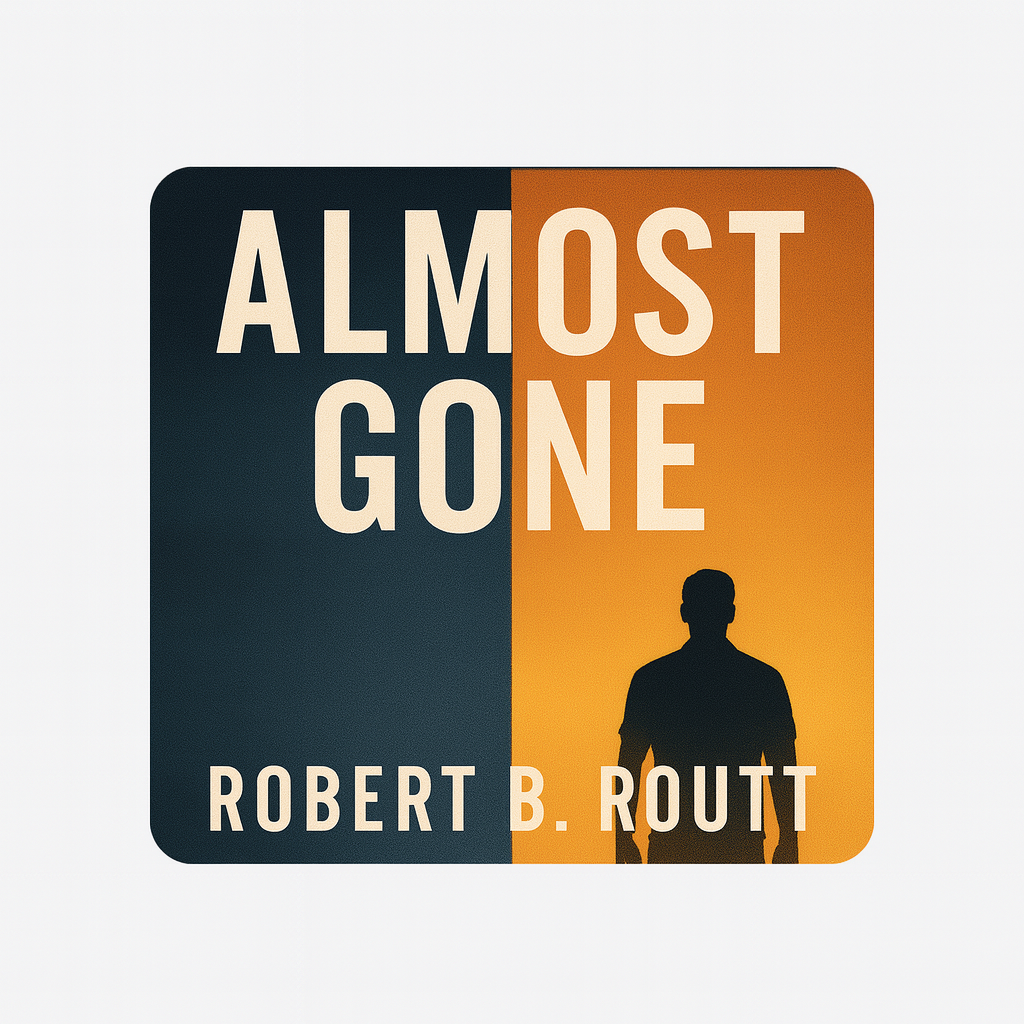
Almost Gone Robert B. Routt | A Memoir of Survival
https://www.robertroutt.com/
Virginia Beach – Virginia, United States
Almost Gone by Robert B. Routt: A gripping memoir of survival, addiction recovery, and faith. Discover your second chance.